|
Organic chemistry Part 10: Reactivity and reaction mechanisms
10.3 Reaction mechanisms of ALKENES
- Electrophilic addition of bromine [Author
© email doc brown - comments - query? * [privacy, cookies and disclaimer]Index of organic chemistry technical terms and mechanism pages Index of ALL advanced revision notes on ALKENES All my advanced A level organic chemistry notes 10.3 Reaction mechanisms of ALKENES - Electrophilic addition of bromine Organic synthesis of dibromoalkanes and bromo-alcohols by reaction of bromine and bromine water with alkenes
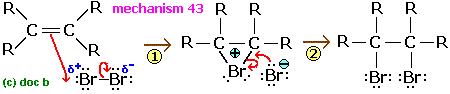
10.3.3 The electrophilic addition of bromine to alkenes (non-aqueous media)
Remember: An electrophile is an electron pair acceptor and will attack the pi electron rich bond of an alkene
mechanisms 4 - electrophilic addition of bromine to an alkene in non-aqueous media
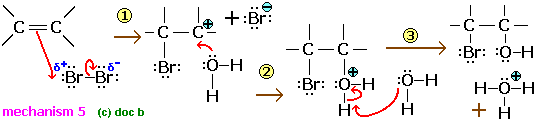
10.3.4 The electrophilic addition of bromine to alkenes (aqueous media, bromine water)
mechanism 5 - electrophilic addition of bromine to an alkene in aqueous media
Index of all the ALKENE revision notes 10.3.2 The electrophilic addition of hydrogen bromide to alkene now on separate page 10.3.5 The electrophilic addition of conc. sulphuric acid to alkene now on separate page 10.3.6 The acid catalysed electrophilic addition of water to alkene now on separate page 10.3.7 The free radical addition polymerisation of an alkene now on separate page
keywords phrases: electrophile mechanism steps reagents reaction conditions formula intermediates organic chemistry reaction mechanisms steps electrophilic addition of bromine water to alkenes ethene propene butene R2C=CR2 + Br2 ==> R2CBr-CBrR2 CH3CH=CH2 + ICl ==> CH3CHI-CH2Cl or CH3CHCl-CH2I R2C=CR2 + 2H2O + Br2 ==> R2C(OH)-CBrR2 + H3O+ + Br- CH3CHOHCH2Br CH3CHBrCH2OH CH3CHBrCH2Br, Website content © Dr Phil Brown 2000+. All copyrights reserved on revision notes, images, quizzes, worksheets etc. Copying of website material is NOT permitted. Exam revision summaries & references to A level chemistry course specifications are unofficial. Website content © Dr Phil Brown 2000+. All copyrights reserved on these organic chemistry exam revision notes on explaining the electrophilic addition mechanism in a non-polar organic solvent of adding bromine to alkenes, these A level chemistry revision notes are suitable for use of pre-university students studying AQA advanced level organic chemistry revision notes on explaining the electrophilic addition mechanism in aqueous solution of adding bromine water to alkenes, Edexcel advanced level organic chemistry revision notes on explaining the electrophilic addition mechanism in a non-polar organic solvent of adding bromine to alkenes, OCR advanced level organic chemistry revision notes on explaining the electrophilic addition mechanism in aqueous solution of adding bromine water to alkenes, IB advanced level organic chemistry revision notes on explaining the electrophilic addition mechanism in a non-polar organic solvent of adding bromine to alkenes, WJEC (Eduqas) advanced level organic chemistry revision notes on explaining the electrophilic addition mechanism in a non-polar organic solvent of adding bromine to alkenes, CIE Cambridge advanced level organic chemistry revision notes on explaining the electrophilic addition mechanism in aqueous solution of adding bromine water to alkenes, CCEA advanced level organic chemistry revision notes on explaining the electrophilic addition mechanism in a non-polar organic solvent of adding bromine to alkenes, and useful for US grade 11 grade 12 AP honors organic chemistry courses involving explaining the electrophilic addition mechanism in aqueous solution of adding bromine water to alkenes Explaining the importance of explaining the electrophilic addition mechanism in a non-polar organic solvent of adding bromine to alkenes in organic chemistry, What you need to know about explaining the electrophilic addition mechanism in aqueous solution of adding bromine water to alkenes for organic chemistry, Explaining the use of explaining the electrophilic addition mechanism in a non-polar organic solvent of adding bromine to alkenes knowledge in organic chemistry, Examples of explaining the electrophilic addition mechanism in aqueous solution of adding bromine water to alkenes explained when studying organic chemistry, What is the significance of explaining the electrophilic addition mechanism in a non-polar organic solvent of adding bromine to alkenes in organic chemistry, What is the use of explaining the electrophilic addition mechanism in aqueous solution of adding bromine water to alkenes in organic chemistry Describing and explaining the theory of explaining the electrophilic addition mechanism in a non-polar organic solvent of adding bromine to alkenes when studying organic chemistry, exam revision notes for explaining the electrophilic addition mechanism in aqueous solution of adding bromine water to alkenes in exams, online help for explaining the electrophilic addition mechanism in a non-polar organic solvent of adding bromine to alkenes, revision notes for explaining the electrophilic addition mechanism in aqueous solution of adding bromine water to alkenes, what do I need to learn for explaining the electrophilic addition mechanism in a non-polar organic solvent of adding bromine to alkenes in exams? revision summary for explaining the electrophilic addition mechanism in aqueous solution of adding bromine water to alkenes, help in teaching explaining the electrophilic addition mechanism in a non-polar organic solvent of adding bromine to alkenes, learning notes for explaining the electrophilic addition mechanism in aqueous solution of adding bromine water to alkenes, help to pass the explaining the electrophilic addition mechanism in a non-polar organic solvent of adding bromine to alkenes exam, how to prepare for examination questions on explaining the electrophilic addition mechanism in aqueous solution of adding bromine water to alkenes? Doc Brown's Chemistry Advanced Level Pre-University Chemistry Revision Study Notes for UK KS5 A/AS GCE advanced level organic chemistry students US K12 grade 11 grade 12 organic chemistry, A Level Revision Notes PART 10 Summary of organic reaction mechanisms - A mechanistic introduction to organic chemistry and explanations of different types of organic reactions COMPLETE MECHANISM and Organic Synthesis INDEX (so far!)
|


 .... or


 ....
or
....
or




 To SEARCH
▲ENTER▲
chemistry words e.g. topic, module, formula, compound, reaction,
structure, concept, equation, 'phrase', homework question! anything
of chemical interest! This is a very comprehensive Google
generated search of my website.
All website content © Dr Phil Brown 2000+ of
Doc Brown's Advanced Level pre-university Organic Chemistry of haloalkane
halogenoalkane compounds
To SEARCH
▲ENTER▲
chemistry words e.g. topic, module, formula, compound, reaction,
structure, concept, equation, 'phrase', homework question! anything
of chemical interest! This is a very comprehensive Google
generated search of my website.
All website content © Dr Phil Brown 2000+ of
Doc Brown's Advanced Level pre-university Organic Chemistry of haloalkane
halogenoalkane compounds |