HOME PAGE * SEARCH * UK KS3 level Science Quizzes for students aged ~13-14

UK GCSE level BiologyChemistryPhysics ~14-16 * Advanced Level Chemistry ~16-18

Electricity 1.2 The usefulness of electricity in the home

Electricity in the home:

1.2 The usefulness of electrical appliances in the home

[Author © Dr WP Brown PhD: Doc Brown's physics exam revision notes suitable for students of UK IGCSE & GCSE level physics courses, ~ US grades 9-10 physics, electricity page updated Feb 3rd 2026 *]

[KEY POINTS and learning objectives for this page, after initial notes] * [email doc b]

INDEX for physics notes on electricity in the home

[privacy policy, cookies and disclaimer] * School/college GCSE level physics exam revision notes


1.2 The usefulness of electrical appliances in the home

Why are electrical devices so useful?

We depend a lot on our electricity supply e.g heating, cooking, lighting, entertainment, radio, TV, computers and cleaning.

You should read about types of energy and energy stores first before studying this page

  • Appreciate that we often use electrical appliances because they transfer energy into other useful at the flick of a switch i.e. very convenient!
    • Energy is transferred because the electric charge does work against the circuit resistances) - remember: work done = energy transferred.

    • Electrical appliances are designed to transfer to do useful work in a circuit when the current flows through the components of e.g. heating element of a fire or kettle (electrical energy supply to a thermal energy store), motion in a food mixer (electrical to a kinetic energy store) etc.

    • Don't forget that no appliance is perfect (100% efficient), because there are always energy losses.

    • Just think of all the devices-appliances that run off electricity in the home!

  • Examples of energy conversions:

    • (Most involve transferring mains/battery supply electrical energy into some other useful form of energy using an appliance of some sort, but remember, most energy transfers here involve wasted heat energy increasing the thermal energy store of the surroundings)

    • Examples of such energy transfers include ...

      • Light bulbs - mains electricity ==> heat and light

      • Torch light - chemical energy store of battery ==> electrical energy ==> heat and light

      • TV - mains electrical energy ==> light and sound and lots of wasted heat

      • Refrigerator - mains electrical energy ==> kinetic energy of heat pump ==> thermal energy store of surroundings (dissipated heat)

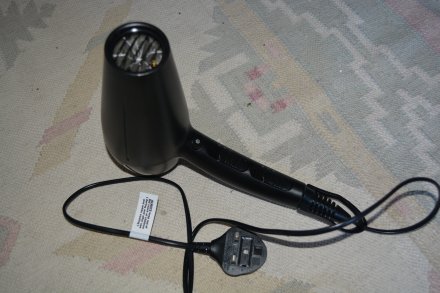
      • Hair dryer - mains electrical energy ==> kinetic energy store of the blower fan and thermal energy from the heating elements - all energy eventually increases the thermal energy store of the surroundings

      • CD player - mains/battery electrical energy ==> kinetic energy and sound

      • Radio - mains/battery electrical energy ==> sound

      • Oven - mains electrical energy to thermal energy (via conduction, convection or radiation)

      • Computer or mobile phone charger and use - mains electrical energy ==> chemical energy store of battery ==> light and sound when using your phone

      • Electric toothbrush - mains electricity ==> chemical energy store of battery ==> electrical energy powering a small motor ==> kinetic energy store of brushes

      • Hoover or food mixer - electrical energy ==> kinetic energy

      • Microwave oven - electrical energy ==> EM microwave radiation and kinetic energy

      • Lots of other stuff working off electricity ... Iron, immersion heater, telephone, internet etc. etc.!

    • Think of the importance of these devices-appliances in your life - music/TV on demand, food safely stored in the fridge, light to read by in the evening

      • Try to imagine life without your domestic electricity and think how wonderful 240V is!

      • Quite simply the convenience and usefulness of mains electricity to our way of life and standard of living is incalculable, so don't waste it!

      • Electrical appliances can be low or high power - convenient for the energy needs required to power most things in the home.

      • Think of all those everyday tasks now done more conveniently with electrical appliances, saving your time and energy.

      • Even with lighting, electric bulbs are rather better and safer than oil/gas lamps or candles!

      • Powerful electrical machines in industry are easily run from mains electricity and can do jobs far more quickly than manual labour.

        • This has allowed the efficiency of industrial production to be considerably increased.

        • Steam power replaced people and steam replaced by electrical power - the power aspect of the industrial revolution!

      • Lifts require a powerful electric motor and think of the hard work you do in climbing several flights of stairs without a lift! (but regular exercise is good for you)

hair dryer

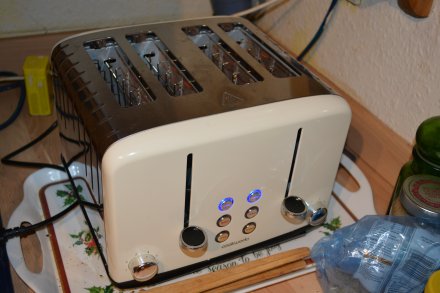
toaster

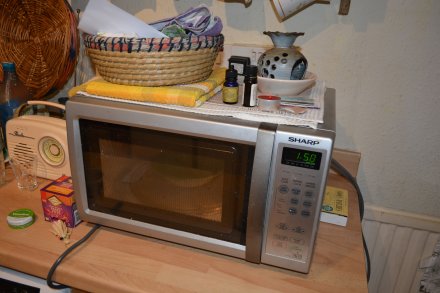
microwave cooker

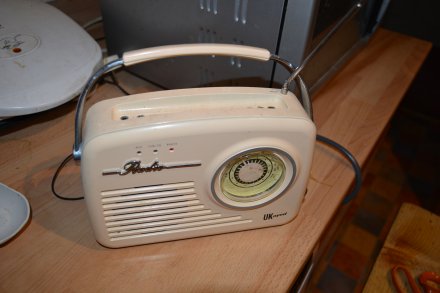
a 'retro' style radio

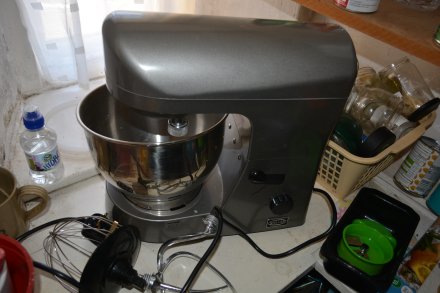
food-mixer

lamp

laptop computer

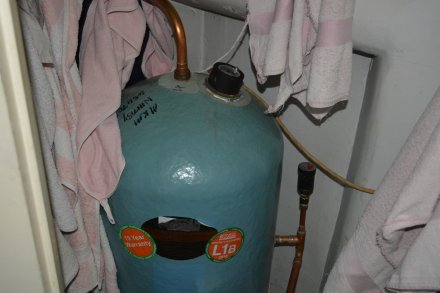
immersion heater - hot water tank

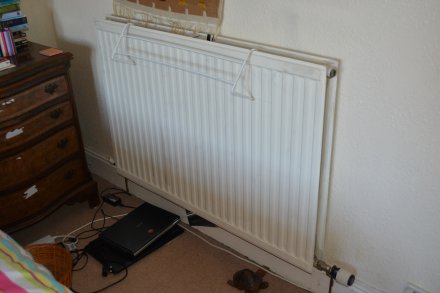
The hot water radiator needs an ....

electric motor to pump the hot water to it

  • You should be able to use their skills, knowledge and understanding to:

    • Be able to compare the advantages and disadvantages of using different electrical appliances for a particular application,

      • You will be required to compare different electrical appliances, using data provided.

      • This may involve energy use and cost effectiveness and also to consider the implications of instances when electricity is not available.

      • For developing countries where infra-structure lacks a reliable mains electricity supply, battery operated devices can be used and even clockwork radios have been designed.

      • However, batteries are costly despite being a convenient supply of stored chemical energy which converts to electrical energy on demand. They also don't last very long!

      • In the case of a clockwork powered radio, when the radio is 'wound up' the energy is stored as elastic potential energy and again released as needed to listen to the radio, for free! This completely avoids the need for costly batteries and their safe disposal to avoid pollution.

      • Without mains electricity, communities in developing countries cannot have the same standard of material living.

    • You should also be aware that some energy is 'wasted' or 'dissipated' because electrical appliances are never 100% efficient when switched on!

      • The waste energy usually ends up increasing the thermal energy store of the component or surroundings e.g. from friction of moving parts or heat from overheated circuits.

      • In fact, if a resistor increases in temperature, its resistance increases and even more energy is lost.

      • Also, the greater the current flow, the greater the thermal energy losses (see the National Grid system for a 'big' example!).

      • Despite the wasted energy in many appliances, there are obvious instances where we want the electrical energy to end up as heat.

      • Electrical heaters is the most obvious example - you use a high resistance a coil of wire to act as a heating element in an appliance e.g. electric fire, toaster etc.

      • In both these cases, the resistor becomes so hot it glows red - electrical energy store of circuit ==> thermal energy store of resistor ==> infrared radiation ==> thermal energy store of food to cook it or to warm up the surroundings etc.

      • The thin metal filaments of filament bulbs need to become very hot to emit useful light.

      • Fuses rely on an 'overheating' effect to protect an appliance and ourselves from electrocution.

INDEX of ELECTRICITY Notes 1. Electricity in the home


Key points for electricity in physics courses -

Information sources for Doc Brown's key points: IGCSE-GCSE physics are based on textbooks & syllabus-specifications for students taking the UK AQA, Edexcel, OCR 21st Century Science, OCR Gateway science suite, WJEC, CCEA and CIE GCSE physics 9-1 level science examinations.

A structured set of summary revision notes on electricity in the home and energy conversions, tailored to the GCSE/IGCSE Physics specifications across WJEC, CCEA, CIE, AQA, Edexcel, and OCR.


Mains Electricity in the Home

Feature Details
Voltage (UK) 230 V (standard mains supply)
Current Type Alternating Current (AC), frequency = 50 Hz
Plug Components Live wire (brown), Neutral wire (blue), Earth wire (green/yellow)
Safety Features Fuses, circuit breakers, earthing, double insulation
Appliance Power Rating Indicates energy transferred per second (in watts, W)

All of the above are covered in detail in other sections:

See INDEX for physics notes on electricity in the home


Plug Wiring and Safety

Wire Function
Live Carries current to the appliance (can be dangerous even when off)
Neutral Completes the circuit
Earth Safety wire that prevents electric shock by directing current to the ground
  • Fuse: Melts if current is too high, breaking the circuit.
  • Circuit Breaker: Switches off the circuit automatically if current exceeds safe levels.
  • Double Insulation: No earth wire needed; casing is plastic to prevent shocks.

    All of the above are covered in detail in other sections:

    See INDEX for physics notes on electricity in the home


Examples of Energy Conversions in the Home

Appliance Energy Conversion
Kettle Electrical → Thermal (heats water)
TV Electrical → Light + Sound
Hairdryer Electrical → Thermal + Kinetic (air movement)
Washing Machine Electrical → Kinetic + Thermal
Light Bulb Electrical → Light + Thermal

Typical exam board contents covered on other pages

Plug wiring, fuses, energy conversions, practical applications
Power ratings, kilowatt-hours, cost of electricity, safety devices
Mains supply, energy transfer, fuse ratings, circuit protection
Electrical safety, energy use in appliances, cost of electricity

All of the above are covered in detail in other sections:

See INDEX for physics notes on electricity in the home


Top Tips for Students

  • Memorise Plug Wiring: Know the colours, functions, and safety features.
  • Understand Energy Transfers: Be able to describe what energy forms are involved in appliances.
  • Practice Cost Calculations: Use kWh and cost per unit to calculate bills.
  • Use Real-Life Examples: Think about how your home appliances work.
  • Label Units: Always include correct units in calculations to avoid losing marks.
  • Revise Safety Features: Fuses, circuit breakers, and insulation often appear in exam questions.

Keywords, phrases and learning objectives for useful appliances in the home

Be able to describe and explain the usefulness electrical appliances in the home e.g. how much we depend on electricity for uses like heating, cooking, lighting, entertainment radio TV, computers and cleaning and washing machines.


WHAT NEXT?

TOP of page

INDEX for physics notes on electricity in the home

ALL my Electricity and Magnetism Physics Notes

email doc brown - comments - query?

INDEX of all my PHYSICS NOTES


UK KS3 Science Quizzes for KS3 science students aged ~11-14, ~US grades 6, 7 and 8

Basic Science Quizzes for UK KS3 science students aged ~12-14, ~US grades 6-8

BiologyChemistryPhysics for UK GCSE level students aged ~14-16, ~US grades 9-10

Advanced Level Chemistry for pre-university age ~16-18 ~US grades 11-12, K12 Honors


Based on the syllabus-specifications for students taking the IGCSE/GCSE level physics examinations summary revision notes and key points on usefulness of electrical appliances in the home for students taking the AQA igcse/gcse physics notes on usefulness of electrical appliances in the home, Edexcel gcse physics notes on usefulness of electrical appliances in the home,  OCR 21st century GCSE physics notes on usefulness of electrical appliances in the home, OCR gateway GCSE physics notes on usefulness of electrical appliances in the home, WJEC gcse physics notes on usefulness of electrical appliances in the home, CCEA gcse physics notes on usefulness of electrical appliances in the home for students taking CIE Cambridge igcse physics, or any other GCSE or IGCSE level physics exams notes on usefulness of electrical appliances in the home, useful for US grade 9-10 physics courses, Explaining the importance of explaining energy transfers in electrical appliances in GCSE level physics, What you need to know about explaining energy transfers in electrical appliances for GCSE level physics, Explaining what is the use of explaining energy transfers in electrical appliances knowledge in GCSE level physics, Examples of explaining energy transfers in electrical appliances explained when studying GCSE level physics, What is the significance of explaining energy transfers in electrical appliances in GCSE level physics, Describing and explaining the theory of explaining energy transfers in electrical appliances when studying GCSE level physics, revision notes for explaining energy transfers in electrical appliances in exams, online exam help for explaining energy transfers in electrical appliances, revision notes for explaining energy transfers in electrical appliances, what do I need to learn about explaining energy transfers in electrical appliances for by GCSE physics exam? revision summary for explaining energy transfers in electrical appliances, help in teaching explaining energy transfers in electrical appliances, learning notes for explaining energy transfers in electrical appliances, help to understand the explaining energy transfers in electrical appliances topic in preparation GCSE physics exam question, how to prepare for questions involving explaining energy transfers in electrical appliances in a GCSE physics examination?


SITEMAP
Website content © Dr Phil Brown 2000+. All copyrights reserved on Doc Brown's physics revision notes, images, quizzes, worksheets etc. Copying of website material is NOT permitted. Exam revision summaries and references to GCSE science course specifications are unofficial.

INDEX of ELECTRICITY Notes 1. Electricity in the home

Google ENTER specific physics words or courses e.g. topic, module, exam board, formula, concept, equation, 'phrase', homework question! anything of physics interest!    This is a very comprehensive Google generated search of my website.

TOP OF PAGE